

Coastal Patio Covers in San Diego: How to Specify Finishes That Resist Salt Air Corrosion
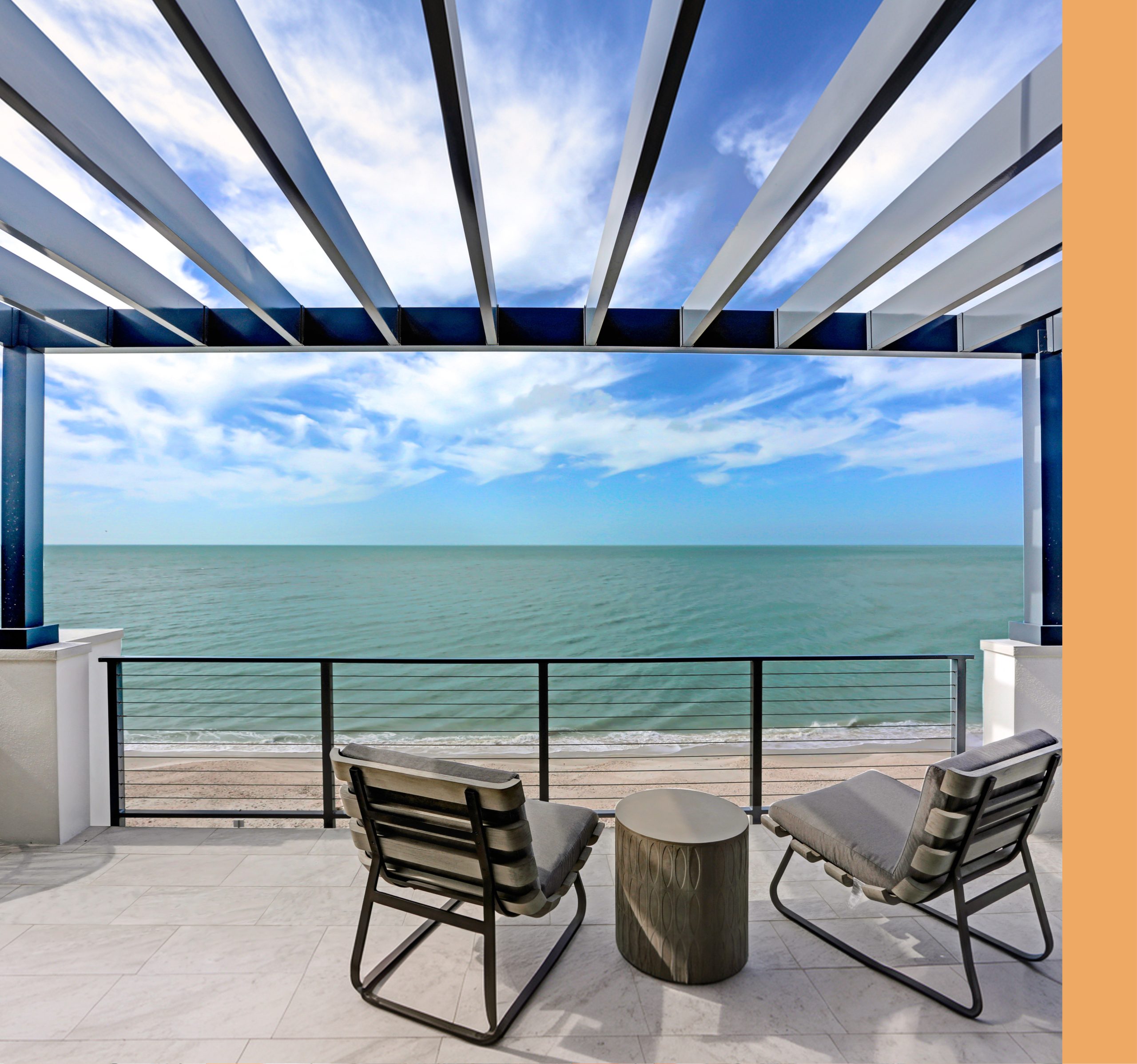
Coastal patio cover salt air corrosion is the gradual breakdown of a patio cover’s finish and aluminum frame caused by chloride-laden ocean air. The finish specification controls it far more than the phrase “weather resistant” does. The goal is a cover that maintains its color and structural integrity season after season, and published standards specify how to do so.
Soltech Patio Covers has served San Diego homeowners since 2011, backed by more than 20 years of sheet-metal expertise within its parent company, Aquasoltech. Near the coast, three details decide how long a cover keeps its appearance and strength. They are the AAMA finish tier, the test evidence behind that tier, and the metals and fasteners at every connection.
If you are comparing quotes for residential patio covers in San Diego near the beach, use this four-question check. It puts every quote on the same criteria: finish designation, test evidence, written warranty terms, and connection details. Each question rests on a published standard, so the answers hold up no matter which contractor gives them.
What Counts as a Coastal Exposure Zone in San Diego?
A coastal exposure zone is the area near the ocean where airborne chloride from sea spray and marine fog accelerates corrosion and coating breakdown on exposed metal. In San Diego, that zone includes oceanfront and beach-adjacent neighborhoods such as Coronado, Ocean Beach, La Jolla, and Del Mar. Its edge is less sharp than most homeowners expect.
Why Does Salt Air Corrode Patio Cover Finishes?
Salt air degrades patio cover finishes because chloride settles on the surface, stays active in moisture, and attacks the coating and then the aluminum beneath it wherever the finish is thin or damaged. Salt air aluminum corrosion usually starts at cut edges and fastener holes. A May 2023 Window + Door guide to coastal aluminum finishes notes that damage to the metal substrate can become significant within weeks once a finish is compromised.
We build with extruded aluminum for the reasons covered in the benefits of aluminum patio covers, and near the ocean, that material depends on its finish.
Marine air reaches well past the beach. KPBS reported in June 2023 that the National Weather Service measured a San Diego County marine layer 4,000 to 4,500 feet deep, with low clouds extending well inland onto the coastal slopes of the mountains. The same Window + Door guide reports that significant airborne chloride deposition from ocean spray has been found more than 50 miles from a coastline.
How Close to the Ocean Does a Finish Specification Need to Change?
No single distance applies, so treat exposure as a range and match the finish to the lot. Qualicoat, an international quality label for coated architectural aluminum, specifies its Seaside class for installations within 5 km (3.1 miles) of a coast or tidal estuary. Other sources use 1,500 feet, 1.5 miles, or “within eyesight of the ocean,” and AAMA’s Coastal Corrosion Task Group refers to National Atmospheric Deposition Program maps, according to the Construction Specifier.
For a patio cover for a beach house in San Diego, the Window + Door guide’s recommendation for coastal aluminum is a 70% PVDF coating that meets AAMA 2605, the specification FGIA publishes. For an inland lot, heat and UV usually matter more than chloride.
AAMA 2604 vs 2605: Which Finish Tier Fits a San Diego Coastal Patio Cover?
For a San Diego coastal patio cover, AAMA 2605 is the finish tier that industry guidance recommends, while AAMA 2604 is the intermediate tier for milder exposure. AAMA 2604 and AAMA 2605 are voluntary performance specifications, now published by the FGIA, for factory-applied organic coatings on aluminum extrusions and panels.
The comparison below covers three criteria: resin chemistry, test regime, and typical use. PVDF (polyvinylidene fluoride) is a fluoropolymer resin, and FEVE (fluoroethylene vinyl ether) is a second fluoropolymer chemistry. As of Q4 2026, published summaries of the current 2022 editions list the values below, and the edition cited on any quote should be confirmed.
| Tier | Resin chemistry | Test regime | Typical use |
|---|---|---|---|
| AAMA 2603 (reference) | Baked enamel or polyester | 1 year South Florida exposure | Basic pigmented coating |
| AAMA 2604 | 50% PVDF or super-durable polyester | 5 years South Florida exposure; color change of 5 ΔE or less; 1,500 hours cyclic corrosion (ASTM G85 Annex A5); 3,000 hours humidity | Moderate exposure; typical warranty of 10 to 20 years |
| AAMA 2605 | 70% PVDF, such as Kynar 500, or FEVE | 10 years South Florida exposure; color change of 5 ΔE or less; gloss retention of 50% or more; 2,000 hours cyclic corrosion (ASTM G85 Annex A5); 4,000 hours humidity | Coastal regions; typical warranty of 20 to 30 years |
Sources: AMICO Architectural Metals, Bonnell Aluminum, PPG, and TIGER Coatings summaries of AAMA 2603-22, 2604-22, and 2605-22.
Kynar 500 is Arkema’s trade name for PVDF resin, and Arkema’s licensing terms require coating manufacturers to use at least 70% Kynar 500 resin in the binder by weight. Siliconized modified polyester (SMP) is a polyester resin modified with silicone. A resin name alone does not establish a tier, so the AAMA designation and test report for the specific coating are what count.
For coastal homes in La Jolla, Coronado, and Del Mar, Aquasoltech’s finish options include NexGen S.M.P., a siliconized modified polyester coating that IMS (Interstate Material Supply) supplies exclusively, and Kynar 500 PVDF coatings.
Choosing a Coronado patio cover finish calls for scrutiny of the tier, because the city sits between the Pacific and San Diego Bay. AMICO notes that proximity to the coast, building height, and color all influence the choice, and that AAMA 2605 finishes will likely be required near the coast.
The 2017 edition of AAMA 2605 itself notes that coating performance may be diminished in highly corrosive seacoast conditions, according to Building Enclosure, so rinsing and connection details still matter.
How Do You Tell a Tested Finish Claim From a Marketing Claim?
A tested finish claim names a published standard, a test method, and an exposure duration, while a marketing claim names only an adjective such as “weather resistant.” Four questions turn that difference into a quick check. Any San Diego homeowner can put them to any patio cover contractor, including us:
- Which AAMA designation appears on the written finish specification: 2604, 2605, or none?
- Which test method, duration, and report support the finish claim, and can the finish supplier provide the documentation?
- What does the written finish warranty cover and exclude in coastal exposure?
- Which metals touch at each connection, and which fastener grade and flashing material will be used?
A La Jolla patio cover quote and a Del Mar quote can be run through the same four questions. A quote that cites AAMA 2605, 2,000 hours of cyclic corrosion testing, and a supplier warranty is a tested claim. A quote that says “marine grade” without a number is a marketing claim.
ASTM G85 Annex A5, the dilute electrolyte cyclic fog/dry test, is the corrosion test in current AAMA 2604 and 2605. According to a summary of the standard, it alternates one hour of fog from a 0.05% sodium chloride and 0.35% ammonium sulfate solution with one hour of dry-off at about 35 degrees C (95 degrees F). ASTM B117, the older salt spray test, holds samples in a constant fog of salt solution instead.
FGIA moved AAMA 2603 and 2604 to the cyclic method in February 2021, according to TIGER Coatings, because straight salt spray correlated poorly with real-world results in seaside South Florida. AAMA 2605 had made the change earlier. Older summaries and some quotes still cite 3,000 or 4,000 hours of B117 salt spray, which can signal a superseded edition. Ask for the tier designation first, then the test report behind it.
Which Fasteners, Flashing, and Galvanic Isolation Details Matter on a Coastal Patio Cover?
Four connection details matter most in a marine zone: isolating dissimilar metals, choosing a corrosion-resistant fastener grade, shedding water instead of trapping it, and protecting cut edges and drilled holes.
Galvanic corrosion is electrochemical corrosion that occurs when two dissimilar metals touch in the presence of an electrolyte such as salt-laden moisture. Aluminum is the metal that corrodes when it contacts stainless steel. BRANZ, the New Zealand building research body, lists different metals and electrical continuity between them among the conditions the process requires.
- Isolate dissimilar metals at every contact point. BRANZ advises avoiding dissimilar metals where possible and isolating the joint from the environment with durable polymeric coatings. On adjustable louvered patio covers, pivot points and tracks add contact points that deserve the same attention.
- Match the fastener grade to the exposure. The Aluminum Association recommends stainless steel fasteners for aluminum structures in coastal environments, according to the Construction Specifier. BRANZ cautions that grade 304 stainless steel can still corrode in very severe marine environments. A 2022 University of Hawaii thesis on aluminum equipment in a marine environment found variable results from coated stainless steel fasteners, while titanium fasteners consistently reduced aluminum corrosion.
- Keep water from pooling at connections. The Window + Door guide notes that anything holding moisture and blocking drainage prolongs exposure to salt solutions and can speed up corrosion, so flashing and joints should shed water.
- Protect cut edges and drilled holes. AAMA 2604 and AAMA 2605 both rate corrosion at scribed or cut edges after corrosion testing, which shows where coastal corrosion starts: at bare metal.
A homeowner in Coronado or Ocean Beach can ask for these four details on the plan before work starts. Soltech installs with a dedicated full-time crew and assigns a project manager to each job, so questions about connection details have one point of contact.
FAQ
Yes, salt air can corrode aluminum patio covers near the San Diego coast, and the finish is the first line of defense. The Window + Door guide reports that airborne chloride from ocean spray has been found more than 50 miles from the coast, and that damage to the metal can become significant within weeks once a finish is compromised. It recommends a 70% PVDF finish that meets AAMA 2605 for coastal climates.
Patio covers in La Jolla and Coronado are strong candidates for an AAMA 2605 finish, though the right choice depends on the exposure of the lot and the written warranty. Coatings such as Kynar 500 meet that tier, and the written warranty on any option, including NexGen S.M.P. from IMS, should be read the same way.
Rinse a coastal patio cover with clean water on a regular schedule, and follow the finish supplier’s written care instructions for the exact interval. The Window + Door guide notes that a 70% PVDF finish should need only a clean-water rinse or, at most, a soft cloth and mild soap solution. AAMA 609 and 610 form the industry cleaning and maintenance guide for architecturally finished aluminum.
A scratch or chip that exposes bare aluminum gives salt a direct path to the metal, so it should be assessed and touched up promptly. The Window + Door guide reports that once a finish is compromised, damage to the metal substrate can become significant within weeks near the coast.
No. Powder coating describes how a finish is applied, while AAMA 2604 and AAMA 2605 describe how a finish performs in testing. Gordon lists super-durable polyester powders that meet AAMA 2604, and PPG offers liquid and powder coatings built on 70% PVDF or FEVE resin that meet AAMA 2605. A powder-coated patio cover needs the AAMA designation in writing, the same as a liquid-coated cover.
A finish warranty covers salt air damage only when its written terms say so, and many coating manufacturers limit or decline coverage in severe marine exposure. Finish warranties generally address sheen and color change, so read the coastal exclusions before signing. A well-applied 70% PVDF finish can still help protect aluminum from corrosion when the warranty is silent on it, according to the Construction Specifier.
Specifying a Coastal Patio Cover Finish in San Diego: Next Steps
Protection against coastal patio cover salt air corrosion starts with a documented finish designation and sound connection details, not with a general promise of durability. Soltech Patio Covers has served San Diego homeowners since 2011, backed by more than 20 years of Aquasoltech sheet metal expertise, and is a licensed sheet metal contractor (C-43-830212).
Schedule a Free, At-Home Design Consultation to talk through finish options for your lot, and use the four questions above to compare any proposal you receive, ours included. You can see the full list of neighborhoods we serve under areas we serve.
Testimonials
Considering getting a patio cover for your home or business? See what Soltech customers have to say!


Why San Diego Homeowners & Businesses Choose Soltech
Since Soltech has installed patio cover systems for over 20 years, our systems are expertly designed and flawlessly executed.

High-Quality Brands & Materials
Soltech uses only the finest materials for our patio covers, such as aluminum and Elitewood™. Aluminum is highly durable and lightweight, while Elitewood™ offers the benefits of aluminum coupled with a wood-like finish. Other extras include automated louvers, integrated lighting, and more.
Innovation & Versatility
Soltech studies the market for new product releases, design innovations, and installation techniques to ensure our team is trained to use them before anyone else. From smarter structural components like extruded aluminum to next-generation louver systems, we combine timeless craftsmanship with future-forward solutions that raise the bar for outdoor living.
Industry Savvy
While many companies rely on contract workers, Soltech has a dedicated full-time crew. Since our team works with patio covers and pergolas daily, we have extensive knowledge of these systems. For example, Soltech has a dedicated electrical expert on staff exclusively for wiring patio covers.
Installation Expertise
Soltech designed our own proprietary methods for installing patio covers and pergolas. We have a project manager assigned to each job that ensures smooth communication between all parties. In turn, no details get missed on the job site, and our customers leave 100% satisfied.
Soltech Patio Cover Portfolio
Discover the many ways that a Soltech patio cover can transform your outdoor living space. See why Soltech is a favorite of residential and commercial clients in San Diego.


More Ways to Cover Your Space

Cantilever Patio Covers
A cantilever pergola is supported from a single side, delivering a clean, architectural profile and leaving the area underneath free from posts or obstructions.

Solid Patio Covers
Solid patio covers provide complete protection from the elements, making them ideal for year-round outdoor use in the San Diego area.

Lattice Patio Covers
Lattice patio covers use an open-slat pattern that provides partial shade that lets in sunlight and fresh air. They bring an elegant touch to outdoor spaces.

Where Does Soltech Operate?
Soltech serves residential and commercial customers throughout the greater San Diego area. North to Oceanside and south to Chula Vista and beyond, we have you covered!
Resources on Patio Covers & Pergolas
Explore our expert resources on patio covers and pergolas, designed to help you make informed decisions for your outdoor space. From design ideas and material guides to maintenance tips, we provide everything you need to create a stylish, functional outdoor retreat.
Benefits of Aluminum Covers
Discover the advantages of aluminum patio covers, from unmatched durability to modern style. See why aluminum is a smart choice for long-lasting, hassle-free outdoor living.
FAQs
Find answers to common questions about Soltech and our patio covers. Browse our FAQs to learn more about our design and installation processes, as well as basic maintenance and upkeep.



Finance the Upgrade
You Actually Want
We believe homeowners shouldn’t have to choose between doing a project right and doing it now.
That’s why we’ve partnered with Hearth—so you can move your project forward, without unnecessary financial strain or compromises.
Pre-qualification takes just a few minutes and won’t affect your credit score. Plus, there’s no obligation to move forward unless you find an option that works for you.
